
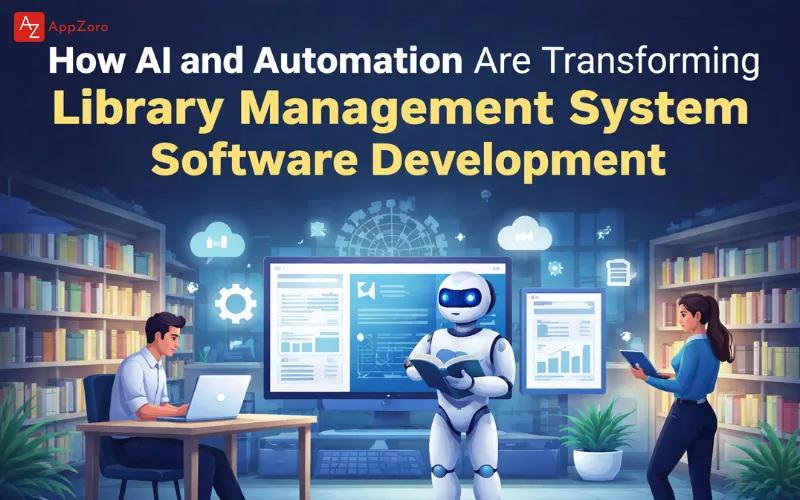
Libraries, once quiet nooks of dust, hushed whispers, and lined cards, now pulse differently. They are turning into digital ecosystems—connected, dynamic, and accessible everywhere at once. Artificial intelligence sits at the core of this change, reshaping how knowledge is stored, discovered, and shared. From predictive cataloging to near-autonomous circulation, libraries now adopt technology not as a simple add-on but as the backbone supporting modern operations. With growing demand for cleaner data control, personalized user journeys, and faster decision-making, partnering with an artificial intelligence app development company enables AI-driven library systems to bridge traditional practices with intelligent digital innovation in a balanced, future-ready way.
The Digital Transformation of Libraries
Watching libraries evolve from pages to pixels is like witnessing civilization rewrite its own memory. Back then, every catalog line was etched by hand, every card flipped by a careful finger. It took days to update, humans leaning over desks, patience stretched thin. Access meant coming there, walking aisles, waiting.
Mistakes? Inevitable, always. Then came the spark of digital. Wooden drawers became cloud screens. Records lost their edges, data stacked endlessly. Libraries could finally breathe—housing not only books but videos, journals, maps, all flowing under one roof that didn’t really have a roof anymore.
But with all that came size. Massive, tangled data repositories needed brains, not just machines. That’s where modern library management systems—LMS—grew up fast. They became mission control centers, keeping the scent of discovery alive but trimmed with precision, speed, and quiet automation.
What a Library Management System Really Does?
A library management system is more than just a program. It wraps around every chore a library does—cataloging, lending, acquisitions, accounts—all stitched tight together. No repeated work, no lost books between entries. Users get smoother access, staff get time back.
For colleges, it’s less chaos, cleaner tracking. For public corners, it means everyone gets a fair piece of the collection. Digital archives lean on it too, preserving culture without decay.
Everything links under one brainy dashboard. It makes libraries suddenly flexible, sharp, and ready for tomorrow’s waves of learners.
AI: The Pulse of Library Efficiency
When AI steps in, things stop dragging. Cataloging that used to take hours now runs in minutes, handled by algorithms that know metadata like librarians know silence.Machine learning watches what readers do.
Notices patterns, predicts picks, nudges people toward books they didn’t even know they needed. Search isn’t a guessing game anymore—language models read queries the way people mean, not how they type.
AI chatbots keep the help desks alive 24/7. A student at midnight can ask questions, renew items, or get instant recommendations. It’s not science fiction anymore, just quiet precision making the system hum.
Automation Behind the Scenes
Every library breathes because automation handles its rhythm. Lending, returns, even the “you‑missed‑your‑due‑date” nudges—these are all automatic now. RFID and barcodes whisper to sensors, tracking movement effortlessly.
Beyond circulation, the gears turn deeper: scheduling, inventory reports, backups. Algorithms now predict when shelves need restocking or when demands spike before finals week. Everything lines up automatically. The whole thing feels less like a clerical grind and more like choreography—smooth, fast, never tired.
Data Analytics and Smart Decisions
Data rules now. Libraries don’t just count how many borrowed what—they interpret patterns. AI systems spin borrowing stats, genres trending, reader types—into clear guideposts for what to buy, what to drop.
Predictive analytics peeks ahead, spotting the next interest wave before readers even feel it coming. Administrators can eye dashboards showing real‑time performance. Budgets, inventory, engagement—all visible at a glance. The beauty sits in its precision. Decisions suddenly have weight behind them, not just guesses or gut.
Cloud Integration and Accessibility
Cloud tech changed everything. Multi‑branch libraries now sync like parts of one big mind. Update one record here, and it mirrors there almost instantly. Readers love it too. From a phone or laptop, anyone can check catalogs, reserve titles, or download eBooks without stepping through the door.
Scalability rides along—data keeps growing, the system stretches with it. AI quietly guards behind, watching traffic, keeping servers steady, ensuring security stays tough. The whole structure breathes with flexibility that old models never had.
The Library App Revolution
Let’s be honest. The library management system software now lives partly in your pocket. Library apps pushed that wall down completely. They let users scroll through catalogs, get pings about available books, and finish a full checkout before they even reach the counter.
AI slips into these apps, too. Recommendations get sharper. Notifications personalized. Push alerts save readers from fines or boredom. QR codes turn doorways into instant access. The mix of function and comfort makes reading mobile but still anchored in purpose.
Personalized Experiences by AI
AI personalizes almost everything it touches. Library systems now study how fast you read, what you linger on, and your subjects of choice. Instead of random suggestions, you get titles tailored perfectly.
Profiles grow deeper as you use them. New learners get intro material; researchers get dense theory pieces, both guided without asking. It’s not just convenience—it’s emotional too. When a system seems to understand what moves you, curiosity doesn’t fade. It has become a habit. That’s how AI keeps readers returning, curious, and growing.
Keeping Security Tight
library management system app bring doors that hackers notice. AI becomes the gatekeeper here. It encrypts every user trace, protects sensitive metadata, and uses things like facial ID to stop unauthorized attempts.
Behavior tracking runs quietly in the back—flagging anomalies, weird logins, anything that looks off. Compliance with modern privacy rules like GDPR isn’t optional; it’s baked in. By holding that trust line firm, libraries protect not just information but their credibility. Knowledge is sacred, and data theft would wound that belief.
Implementation Struggles
Bringing AI or automation into a library isn’t always clean. Money pulls the brakes often. Huge systems cost a serious investment, and training staff takes time, too. Some older setups refuse to talk to newer tools. Data imports glitch, compatibility slips. And AI, as smart as it looks, needs constant feeding with new data, or it starts drifting.
Navigating these complexities requires expert guidance; Appzoro specializes in smooth transitions, offering comprehensive support from planning to post-implementation.
The Intelligent Future That’s Forming
Next‑gen libraries won’t just be “smart,” they’ll be almost alive. Systems learning on their own, bots sorting, or even shelving. Voice assistants already help search conversations feel natural. Soon, robots could fetch a volume before you stand up. IoT sensors may guide energy use or locate books walking off the shelves.
Augmented reality and virtual tours will make archives' visual journeys. Imagine pointing your phone at a shelf and seeing the author’s timeline overlaid. Generative AI will summarize research papers while you sip coffee. The library slowly becomes a simulation of knowledge, breathing, and reacting.
Why Every Library Should Invest in AI‑Based Software
Putting money into AI‑powered management isn’t a luxury anymore—it’s a survival move. These systems cut human error to dust, work faster, and trim costs long‑term. Operational performance goes up even with small staff counts.
Return on investment grows steadily. For universities, accessibility widens; for city public networks, efficiency multiplies. Scalability ensures no version of “too big” ever comes up. The better part—it grows smarter every year. Libraries that start early become flag‑bearers for this new culture—tech‑driven, yet still human at the core
The New Image of Knowledge
Artificial intelligence and automation don’t replace librarians; they amplify them. They shift duties from routine to insight, from filing to connecting ideas. Libraries turn from being just holders of wisdom into living organisms—interpreting habits, recommending learning paths, and securing every bit of content.
Adopting modern management platforms and mobile‑based systems doesn’t just ease workloads; it flips the whole mission. No longer managing shelves—they curate experiences. Each click, visit, and search becomes part of a shared story of discovery.
With these changes, libraries fulfill their eternal promise in a different language: making knowledge reachable, flexible, and still quietly human in an age that never stops moving.
Leave a Comment