
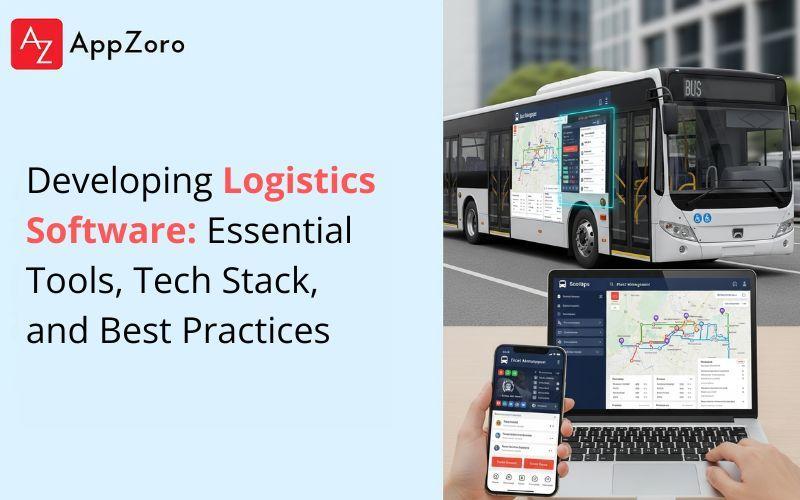
In the huge world of global commerce, logistics acts like a hidden thread tying economies tight. Every single shipment, route, and container comes together as a complex puzzle of timing, coordination, and data. But honestly—logistics is still one of the toughest areas to manage. It’s often slowed down by inefficiencies, old-school systems, and communication gaps. As businesses move toward digital changes, they’re now looking at logistics through data intelligence, automation, and adaptable software designs. The right approach to logistics software doesn’t just speed up deliveries—it completely changes how supply chains think, react, and learn. So, this write-up digs into the key tools, architecture styles, and best practices shaping future logistics tech. If you're looking to develop such solutions, consider partnering with a specialized transportation software development company.
Understanding the Challenges in Modern Logistics
Today’s logistics is not just about moving goods. It’s also about handling info well. Yet lots of companies still face common problems: limited shipment tracking, systems that don’t talk to each other, carrier delays, and unpredictable expenses. Besides, environmental inefficiencies add trouble — idle trucks and unneeded miles drive up costs and boost carbon emissions.
Tech is quietly flipping the script here. Automation tracks inventory live. AI-powered tools predict where jams might happen before they do. IoT sensors keep tabs on fleet health nonstop. What was once reactive now feels more predictive. Digital platforms now connect shippers, warehouses, and customers smoothly into one clear, agile, and green ecosystem.
Building the Architecture: Scalability and Live Data
Any solid logistics software needs a strong base—the architecture. At huge scales, systems handle thousands of actions simultaneously, keep vehicle data streams flowing, and still respond instantly to users.
Microservices architecture lets different parts like tracking, billing, and routing grow separately. That way, updates in one area don’t crash the whole system. Making the system event-driven makes updates real-time. So when a truck changes course, every linked module shows it right away.
Hosting on cloud-native platforms — AWS, Azure, or GCP — lets resources expand or shrink when needed, saving costs and improving speed. The API layer is like connective tissue, easily linking CRMs, ERPs, and warehouse management systems together. This combo keeps logistics data flow secure, fast, and reliable at every point in the supply chain.
Data as Fuel: Analytics Powering Smarter Logistics
In logistics, data isn’t just numbers — it’s kinda the pulse behind every smart move. Today’s systems dive deep, real deep, into data to predict sudden demand jumps, tweak routes, and trim wasted hours. Predictive analytics helps companies shift inventory early or redirect shipments when traffic’s a mess or weather goes wild.
Managers rely on real-time dashboards that turn raw data into clear, actionable insights. Systems track unusual delivery times or fuel use before issues grow expensive. Smart forecasting—often built in collaboration with a generative AI app development company—uses machine learning to fine-tune fleet efficiency and precision. Every data piece, when handled well, becomes a decision just waiting to take shape.
The tech stack really shapes how logistics software performs, balancing speed, security, and scale.If you're looking for expert guidance, a dedicated logistics software development company can help navigate these choices.
Frontend with React or Vue.js delivers slick, dynamic panels so operators instantly visualize routes, fleets, and shipments.
Backend using Node.js or Go manages lots of live updates smoothly, cutting lag in processing.
Databases like PostgreSQL or Redis handle fast queries, storing complex and in-memory data reliably.
Cloud platforms AWS or Azure let systems stretch elastically as shipment loads go up and down.
Monitoring tools Prometheus and Grafana watch nonstop, triggering alerts on errors or delays.
Every layer plays a critical role. Together, they create a seamless system that’s cost-conscious now and ready for future demands.
AI and Automation: Changing the Game in Logistics
AI turns logistics from a fixed system into a constantly learning organism. It doesn’t just make routes better — it learns patterns over time. AI anticipates traffic snarls, forecasts weather chaos, and tweaks fleet routes on the fly to keep things punctual.
Generative AI developers can go even deeper—building AI agents that simulate entire supply networks. These digital twins predict delays, spot inventory gaps, and auto-create best strategies to cut costs.
You see real examples all around: AI chatbots handling fleet questions, computer vision verifying cargo condition, and predictive maintenance tools flagging trucks needing care before breakdowns. The result? Not just efficiency, but true resilience.
Best Practices for Developing and Growing Logistics Software
Building great logistics software demands smart strategy—not just writing good code.
Start small with an MVP. Stick to the basics—tracking, billing, routing—before tossing in fancy extras.
Design for people, not just screens. Admins crave the big picture, drivers want it simple, clients just need clean info.
Integrate APIs early, like real early. Make sure your system talks nicely with logistics tools, IoT stuff, or payment gateways.
Keep security tight. Encrypt everything—shipments, payments, customer data. Compliance isn’t optional, it’s survival.
Offline matters too. Drivers hit dead zones often, so cache data to keep things rolling even without the net.
And never stop looping feedback. Real users tell you what’s broken, what’s brilliant. Keep tuning the system nonstop.
Following these principles helps logistics software grow from just a tool into a living system that adapts with real-world needs.
Green Logistics: Coding for Sustainability
Sustainability is no more a side hustle—it’s essential business. Modern logistics software includes eco-friendly algorithms to shrink emissions and lower energy use. AI-guided route plans cut idle time and fuel waste. Suggestions for smarter packaging reduce the shipment’s footprint. Predictive insights stop pointless returns or repeated shipments.
Embedding green thinking into software doesn’t just cut carbon footprints. It also builds a competitive edge. Greener operations strike a chord with regulators, partners, customers — mixing profit with purpose.
Why Pick U.S.-Based Experts for Logistics Innovation
Working with U.S.-based AI developers is more than tech skills—they bring regulatory know-how and local accountability. DOT, FMCSA, and data privacy rules? All covered. Time zone overlaps mean faster, smoother teamwork. Plus, cultural fluency means fewer misunderstandings.
Importantly, many American logistics tech pros come with deep experience across sectors like retail, manufacturing, or e-commerce. This insight fast-tracks innovation and deployment.
Conclusion
The future belongs to those who fuse cloud elasticity, AI sharpness, and sustainability into one smooth strategy. Tools and tech just provide the means—the vision steering them really counts.
Creating logistics software isn’t merely coding a system. It’s about injecting intelligence into goods movement. Companies blending tech with smart planning will lead the next wave—moving faster, smarter, and greener than ever before.