How Logistics Software Companies Solve Transportation Challenges

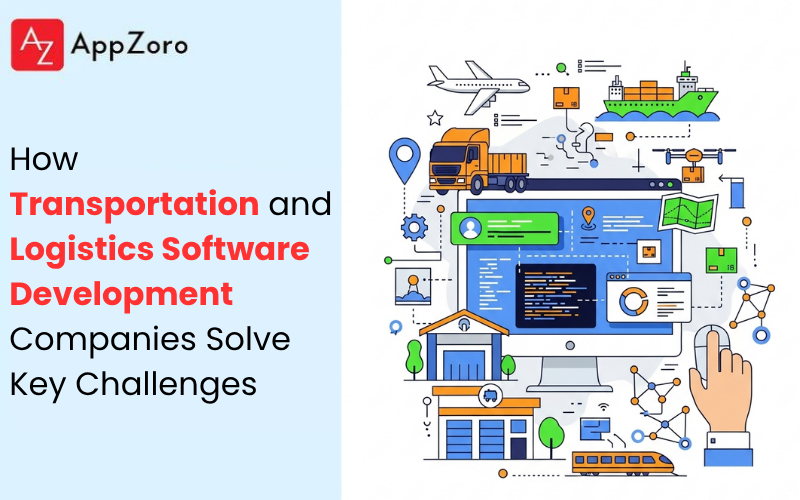
The transportation and logistics world is kinda spinning faster every single day. Customers want more. Trade is booming across borders. And businesses? They’re literally racing to move stuff quicker, safer, cheaper. Those old-school ways—paper logs, manual checklists, random guessing—yeah, they just don’t make sense anymore. We live in a digital century, not a dusty filing cabinet.
Now, companies go searching for a transportation software development company to save them from chaos. These development folks build digital tools that take over manual work, update everything live, and trim costs down.
With custom transportation software built properly, a business can watch fleets live, predict when something goes wrong, and plan smarter routes without burning extra fuel. It ain’t just tech for show. It’s survival. Staying relevant in a space that wants fast speed, sharp accuracy, and full visibility—24/7.
The Role of a Transportation Software Development Company in Supply Chains
So, what do these development companies actually do? They build tech solutions that simplify how goods are moved. Pretty simple to say, but huge when done right. Tools like route planners, smart trackers, and fleet monitoring dashboards—all come out from the work of a strong transportation software development company.
AI and IoT play major parts too, obviously. Artificial Intelligence finds patterns you didn’t know existed, then helps decide faster routes or reroute mid-delivery. Internet of Things sensors? Those little guys feed real-time data about vehicle health, traffic jams, even driver behavior. Together, they make logistics a high-precision machine instead of an endless guessing game. What happens next? Quicker deliveries. Less waiting. More customers are smiling.
Why Transportation Software Development Matters
Honestly, Transportation software development company offers real solid advantages. Companies with huge delivery chains or big fleets feel the difference right away.
It cuts delays, since route optimization works like magic with automation helping behind scenes.
It boosts visibility—you finally know where that shipment disappeared to last night.
It slashes fuel waste and idle hours, meaning lower cost and better planet care.
It empowers managers to stop relying on gut feeling and start trusting data.
So yeah, all summed up, transportation software builds smarter businesses. Customers stay happier and the team, finally, breathes easier.
Big Challenges Still Holding Back Logistics
-
Tech helps, but yeah, not everything is fixed yet. The transportation and logistics industry fights a few nasty roadblocks every single day.
-
Inefficient route planning still haunts many. Companies depending on Excel sheets or random human scheduling end up wasting truckloads of hours. One wrong plan, and boom—half the fleet burns fuel pointlessly.
-
Then comes visibility issues. Many don’t even know where their goods are mid-transit. That vacuum leads to missed promises, bad communication, and angry clients hitting refresh on shipping notifications. Painful stuff.
-
Then, oh boy, the fuel costs. Prices dance up and down like a mad rollercoaster. Add to it sudden truck breakdowns, and you’re bleeding budget fast. Without predictive systems, it’s all reactive repairs—which always cost more.
-
Communication breaks too. Teams use one app for warehouse data, another for drivers, another for billing. Nothing talks together. The bigger the company, the louder the confusion. Data becomes a jungle nobody can map.
-
And expectations? Higher than ever. Customers today expect near-magical precision. Real-time delivery pings, accurate ETA, no excuses. Miss one and you’re spammed with complaints online. Trust gets lost.
How Transportation Software Development Solves All That
Smart software crushes those issues one by one.
Start with route optimization and live tracking. Algorithms kick in, checking distance, weather, traffic—it’s all number-crunching behind the curtain.
GPS feeds managers with updates every time a vehicle moves five feet. You can even see which driver’s stuck, which is cruising fine. Less delay. Less fuel waste. Customers know what’s happening, no drama.
Then there’s predictive maintenance. Fleet management tools today act like early doctors. IoT devices inside vehicles keep sniffing data—engine heat, oil pressure, tire lifetime—and shout warnings before stuff breaks. You fix it early. Trucks stay on road longer. Bills shrink.
Another game-changer is data dashboards. Imagine seeing everything—drivers, shipments, hiccups—on one clean screen. Patterns show up. Reports build automatically. You stop reacting blindly and start steering the business smarter. Raw numbers turn into real insights that actually help fix problems.
Why Work With a Logistics Software Development Company
You want experts who live and breathe automation. That’s exactly what a logistics software development company does every single day. They don’t just code—they rebuild processes, often partnering with a custom mobile app development company to deliver seamless driver and operations apps. Shipment tracking becomes automatic, invoices generate instantly, drivers check mobile apps instead of paper slips. Inventory even updates itself the moment a truck offloads stock. Errors disappear. Time frees up.
Their secret? Deep integration with smart techs—AI, IoT, cloud, data analytics. It’s the mix that makes everything sync perfectly. Vehicles talk to servers, warehouses talk to the web app, and everyone gets the same info instantly. Plus, cloud-based platforms scale nicely. You can check all your operations sitting in Mumbai or Madrid, doesn’t matter.
Let’s talk about the real benefits. Working with strong developers brings down operation costs hard. Automated tracking means fewer calls, fewer human blunders. Customers see live delivery updates instead of calling your helpline fifty times.
Transparency grows across all levels, from dispatch to accounting. Management decisions stop being instinct-based and start being insight-based—thanks to the analytics and slick AI you’ve baked in.
Businesses run leaner, smarter, smoother. That’s the magic of picking the right logistics software development company to stand behind you.
Businesses run leaner, smarter, smoother. That’s the magic of picking the right logistics software development company to stand behind you.
What Makes Great Transportation & Logistics Software
Fleet and route management sits on top of that list. The module plans best paths, starts tracking each vehicle, and adjusts when required. No human intervention every five minutes. It saves fuel and avoids unnecessary detours, like in the Convoy Transports case study.
Then real-time shipment tracking keeps both managers and customers in the loop. Every pickup and delivery timestamp is logged. You can literally watch the package move on your screen. That transparency alone builds serious trust.
Warehouse and inventory management sits tightly linked. Automatic updates from sensors track stock levels, free space, and shipments waiting for loading. The software coordinates trucks and warehouses so no surprises like missing crates happen anymore.
Predictive analytics and reports keep the leadership awake in a good way. Looking at delivery time averages, driver delays, or waste patterns, you can act before problems explode. Reports show future risks and areas of improvement—makes all the difference in scaling operations properly.
Picking the Right Transportation Software Development Partner
You can’t just pick any coder group off the internet. It’s about choosing a partner who gets logistics at its core.
Experience matters first. You want folks who have actually worked in transportation setups, not just built generic CRM systems. Someone who knows the quirks of fleet data and shipment workflows.
Tech skill comes next. The company must have hands steady in AI, IoT sensor integration, and secure cloud ecosystems. Because without those, you’ll only get half a product.
Customization is another silent dealbreaker. Every enterprise runs different routes, compliance rules, and fleet types. Off-the-shelf software just can’t cover all that.
And yes, post-launch support. Once the system runs live, glitches will appear—it’s normal. But a true partner stays for the long haul, troubleshooting, updating, improving. That’s where reliability actually shows up.
Building a Long-Term Collaboration
The best relationship with your chosen transportation software development company shouldn’t feel like a once-and-done purchase. It’s a partnership stretching years, ideally. They grow as you grow. They watch trends, predict what tech you’ll need next, maybe add AI route predictors or blockchain shipment chains when time comes.
These developers don’t just dump code—they build evolving ecosystems. You start from one automation area, then layer more features gradually. That flexibility gives you the breathing room to scale operations without losing control or clarity.
The Future—Smart, Fast, and Still Human
Look, we’re heading into an age where logistics runs on lines of code more than on driver intuition. Transportation Software Development sits firmly at that center. It’s fueling digital revolutions across shipping, supply chains, and freight. Route inefficiencies are fading. Visibility gaps are closing. Costs are finally in control again.
With proper transportation software in place, efficiency shoots through the roof. Real-time data means every fleet manager knows what’s happening without calling anyone. Predictive maintenance keeps trucks rolling, not resting. Smart AI ensures routes adapt if a storm hits. The chain moves like clockwork.
And when you partner up with the right logistics software development company, things feel less mechanical, more intelligent. You stop firefighting and start planning ahead. From reactive chaos to proactive calm—that’s the shift this tech brings. All while keeping the business grounded and connected.
Global trade keeps evolving fast. Borders may stay, but delivery expectations don’t. And the brands that rely on solid, smart software will drive far ahead of the rest—into a future where transportation isn’t just automated, but aware. A future connected, efficient, intelligent.