
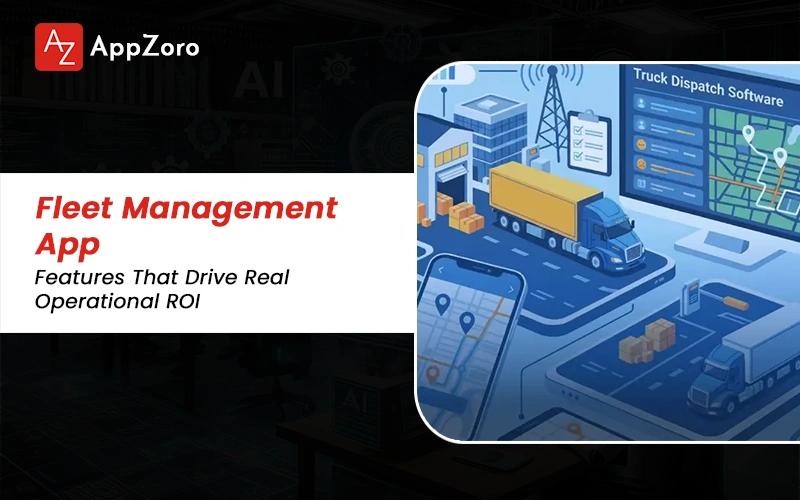
Quick Answer: Fleet management app features are including real-time GPS tracking, driver behaviour monitoring, preventive maintenance scheduling, fuel management with theft detection, DOT and ELD compliance, dispatch and work order management plus cost analytics across the platform. Modern platforms are adding AI-driven predictive maintenance, automated driver coaching, route optimisation and dashcam integration across the segment. Features are working differently across user roles. Drivers are seeing simple mobile interfaces optimised for in-vehicle use across the journey, while managers are accessing dashboards with operational analytics and exception management capabilities through web platforms across the operation.
Understanding fleet management app features is requiring knowing not just what features exist but how they are working together architecturally and how different user roles are interacting with them across the platform. Fleet managers evaluating software, operations leaders comparing platforms, drivers experiencing mobile interfaces and those seeking transportation software development services are all running into the same questions today right now. By the end of this cluster post, the architectural components, must-have features, role-specific capabilities and emerging AI-driven functionality across modern fleet management platforms will be clear, let's take a look.
How Fleet Management Apps Work - The Three Components
Understanding how fleet management apps work is requiring recognising three connected components that are operating together across the platform. Knowing the architecture is clarifying why features are behaving certain ways and why some integrations are mattering more than others for production fleet deployments across the market today.
Vehicle Telematics And IoT Layer: Physical hardware installed in vehicles including OBD-II plug-in devices, hardwired solutions or factory-integrated telematics that are capturing GPS location, engine data, driving behaviour and diagnostic codes across the platform. Examples are including Samsara VG34 device, Geotab GO9 and Verizon Connect Hum across the market.
Mobile Applications: Driver apps for in-vehicle use including ELD compliance, navigation, dispatch acceptance and vehicle inspections across the workflow, plus manager apps for on-the-go monitoring including real-time vehicle status, exception alerts and approval workflows across the platform.
Web Platform And Backend Infrastructure: Central platform that is aggregating telematics data, running analytics, processing business rules, generating reports and serving user interfaces across the operation. The backend is managing real-time data ingestion, geospatial queries, alerting and integrations with external systems across the stack.
The three components are working in coordination across the platform today. Vehicle telematics is generating data across the fleet, mobile apps are providing user interfaces for drivers and field managers, while the web platform is handling analysis, reporting and operations management across the operation. Features users are seeing in the mobile or web app are depending on data flowing through all three layers. Weak integration between layers is producing user experience problems that feature lists will not reveal across the procurement decision.
Must-Have Features of Fleet Management App - 7 Essential Capabilities
The must-have features of fleet management app below are representing universal requirements across all fleet types across the market today. Missing these creates gaps compounding at scale, as detailed in our car fleet management app guide, regardless of vendor reputation across the segment.
1. Real-Time GPS Tracking And Geofencing
Live vehicle location with frequent updates at 5 to 60 second intervals, historical route playback and geofence alerts when vehicles are entering or exiting defined zones across the platform. Foundational feature, every other capability is operating blind without it across the operation. Quality platforms are achieving 5 to 10 foot accuracy through cellular GPS across the segment.
Geofence Configuration: Define customer locations, depots and restricted areas with custom rules across the platform.
Route History Playback: Reconstruct vehicle movements for accident investigation and customer service across the operation.
Live Map View: Real-time fleet position display with status indicators including moving, idling and stopped across the dashboard.
2. Driver Behaviour Monitoring And Coaching
Track speeding, harsh braking, rapid acceleration, idling, seatbelt use and cornering severity across the fleet operation. Generate driver scorecards with peer comparisons across the team. Modern platforms are integrating dashcam video with safety events to provide context for coaching conversations across the workflow. This is reducing accidents 20 to 30% in mature deployments across the market.
Driver Scorecards: Numeric scoring with weighted behaviour categories across the operation.
Automated Coaching Workflows: Training assignment based on detected behaviours across the platform.
Dashcam Integration: Event-triggered video capture providing context for safety incidents across the fleet.
3. Preventive Maintenance Scheduling
Schedule service intervals by mileage, engine hours or calendar date with automated alerts when due across the fleet. Quality platforms are integrating diagnostic codes through OBD-II to detect issues proactively across vehicles. Work order management, service history tracking, parts inventory and warranty management are all running through the platform. This is reducing unplanned downtime and is extending vehicle lifespan across the operation.
Predictive Maintenance Alerts: ML-driven analysis identifying degradation patterns across the fleet.
Work Order Management: Service scheduling, vendor management and completion tracking across the operation.
Diagnostic Code Interpretation: OBD-II code translation with severity classification across the platform.
4. Fuel Management And Consumption Tracking
Fuel card integration through WEX, Comdata and Fleet Cards is eliminating manual fuel entry while detecting theft across the operation. Track fuel consumption by vehicle and driver across the fleet. Identify outliers requiring attention across the platform. Fuel is typically representing 30%+ of fleet operating cost across the budget, making this category among the highest-ROI feature investments across the market.
Fuel Card Integration: Automatic transaction matching to vehicles and drivers across the platform.
Theft And Anomaly Detection: Identify suspicious purchases including volume mismatches and off-route fuel stops across the fleet.
MPG Tracking: Vehicle-by-vehicle efficiency analysis identifying maintenance issues across the operation.
5. DOT Compliance And ELD Integration
Electronic Logging Device integration is meeting FMCSA mandate for commercial vehicles across the regulatory landscape. Handle DVIR (Driver Vehicle Inspection Reports), IFTA fuel tax filings and hours-of-service tracking across the platform. Some platforms are covering international compliance including Canadian ELD and EU tachograph across geographies. Compliance failures are resulting in fines and operational shutdown across the fleet operation today.
ELD Compliance: Hours-of-service tracking meeting current FMCSA mandate across the regulatory framework.
DVIR Mobile Forms: Pre-trip and post-trip inspection forms replacing paper across the workflow.
IFTA Reporting: Multi-state fuel tax filings with automated mileage attribution across the operation.
6. Dispatch And Work Order Management
Job assignment, dispatch optimisation, work order tracking, customer scheduling and digital signature capture across the workflow. Critical for service fleets and delivery operations across the segment. Integration with field service management tools is extending capability across the operation.
Real-Time Dispatch: Match jobs to closest available vehicle with skill-based routing across the platform.
Digital Work Orders: Mobile forms replacing paper workflows across the operation.
Customer Notifications: Automatic ETA updates and arrival confirmations across the customer journey.
7. Cost Analytics And Reporting
Total cost of ownership reporting, cost per mile analysis, vehicle utilisation analytics and exception-based reporting across the operation. Executive dashboards are summarising fleet performance while operational dashboards are supporting day-to-day management across roles.
Total Cost Per Vehicle: All-in cost including fuel, maintenance, insurance and depreciation across the fleet.
Cost Per Mile Benchmarks: Standardised metrics for customer pricing and operational comparison across the operation.
Exception Reporting: Surface only items requiring attention rather than reviewing all data across the platform.
Fleet Tracking App Features Beyond Basic GPS
Fleet tracking app features have evolved dramatically beyond simple "where is the vehicle" GPS displays across the market today. Modern platforms layering key features of fleet management software onto location data extract operational value that simple tracking is missing entirely across the operation.
Predictive ETA Calculations: Real-time arrival estimates using current traffic, weather and historical route data rather than static distance and speed calculations across the platform.
Geofence-Triggered Workflows: Automatic actions when vehicles are entering or exiting zones including customer arrival notifications, time-on-site tracking and billing event capture across the operation.
Speed Limit Compliance Monitoring: Compare actual vehicle speed against posted speed limits to flag specific incidents rather than generic "fast driving" alerts across the platform.
Idle Time Tracking With Cost Calculation: Quantify wasted fuel from excessive idling in dollar terms rather than abstract minutes across the operation.
Driver Hours-Of-Service Visualisation: Show how much driving time is remaining for each driver to prevent unintentional ELD violations across the workflow.
Fleet Utilisation Heat Maps: Geographic visualisation showing where fleet is operating most across the market, supporting strategic decisions about depot locations and service territories.
Customer-Facing Tracking Pages: Branded customer-facing tracking pages showing arrival ETAs for delivery and service operations across the customer journey.
Asset Tracking Integration: Track trailers, containers and equipment alongside vehicles for full asset visibility across the operation.
These advanced tracking capabilities are transforming location data into actionable operational intelligence across the platform. Apps offering only basic GPS display without these layers are leaving significant operational value unrealised across the operation today.
Fleet Management Mobile App Features for Drivers
According to our rental fleet management software guide, mobile app design determines whether driver adoption is succeeding or failing across operations today. Drivers are spending hours daily with these apps across the workflow, poor mobile UX is killing adoption regardless of platform power. Eight mobile features are mattering most for driver experience across the fleet.
One-Handed Operation Design: Drivers are operating apps while seated in vehicles across the workflow, complex multi-tap interfaces are failing in real-world use.
Voice Command Support: Hands-free interaction during driving through Siri, Google Assistant or in-app voice across the platform.
Offline Mode Capability: Continue functioning when cellular coverage is poor or absent across rural and remote routes.
ELD Compliance With Minimal Friction: Hours-of-service logging that is not requiring constant attention across the driver workflow.
Pre-Trip And Post-Trip Inspection Forms: Digital DVIR replacing paper with photo capture for issues across the operation.
Turn-By-Turn Navigation Integration: Built-in or seamless handoff to Google Maps and Waze for routing across the platform.
Real-Time Communication With Dispatch: In-app messaging without requiring separate phone calls across the workflow.
Performance Feedback And Coaching: Driver scorecards visible to drivers themselves across the platform, supporting self-improvement over time.
Strong mobile app design is respecting the realities of driver work including limited attention bandwidth, hands-on tasks and intermittent connectivity across the operation. Apps designed for office workers without considering driver context are failing consistently in production across the fleet management market today.
Car Fleet Management Software Features for Fleet Managers
The car fleet management software features that are mattering for fleet managers are differing significantly from driver features across the platform. Managers are needing visibility, reporting, exception management and decision support tools that drivers are not interacting with directly across the operation.
Live Fleet Map Dashboard: Visual overview of all vehicles with status indicators and exception highlighting across the operation.
Exception-Based Reporting: Surface only items requiring attention rather than reviewing all routine activity across the platform.
Driver Performance Comparisons: Side-by-side scorecards, behaviour trends and coaching workflow integration across the team.
Maintenance Pipeline Visualisation: See upcoming service requirements, scheduling conflicts and vendor capacity across the fleet.
Fuel Cost Analysis: Per-vehicle, per-driver and per-route cost analysis with anomaly identification across the operation.
Custom Report Builder: Generate reports for specific operational questions without engineering involvement across the platform.
Approval Workflows: Mobile approval for maintenance work, driver requests and route changes across the operation.
Integration With Accounting And ERP: Automatic cost data flow to financial systems eliminating manual reconciliation across the stack.
Manager features are balancing comprehensive visibility with practical usability across the platform. Platforms providing data without actionable workflows are forcing managers into manual analysis that automated platforms are eliminating across the operation today.
Fleet Management System Features for Operations Teams
Beyond drivers and managers, fleet management system features are serving operations teams handling dispatch, customer service and field coordination across the operation. Operations teams are interacting with platforms most intensively across the workflow, requiring features that are supporting high-volume daily workflows across the platform.
Real-Time Dispatch Optimisation: Automatically suggest optimal vehicle assignments for incoming jobs based on location, skills and current workload across the platform.
Customer Service Integration: Direct customer communication tools embedded in operations workflows across the customer journey.
Multi-Branch Operations Support: Coordinate operations across multiple locations with consolidated visibility across the network.
Driver Availability Management: Track driver availability, time off and hours-of-service remaining for assignment decisions across the team.
Route Planning And Re-Optimisation: Plan routes ahead of time and re-optimise when conditions are changing across traffic, new jobs and cancellations.
Customer Notification Workflows: Automated notifications for service appointments, deliveries and arrival ETAs across the customer journey.
Operations Exception Management: Workflow for handling delayed jobs, missed appointments and customer complaints across the operation.
Operations teams are needing platforms that are handling high-volume daily workflows without forcing manual workarounds across the operation. Operations-friendly features are often the differentiator between platforms that are scaling and those that are hitting operational ceilings across the market today.
AI-Driven Features Emerging in Modern Fleet Management Apps
AI features represent a massive evolution for teams that develop taxi booking app or how to create a rideshare app solutions currently. Five AI-powered capabilities are now shipping in production deployments at major fleet management vendors across the segment, with adoption accelerating through 2026 across the industry.
AI-Powered Dashcam Video Analysis: Computer vision is automatically identifying risky behaviours including distracted driving, drowsiness and mobile phone use across the operation. It is flagging incidents for coaching review without requiring manual video review across the workflow.
Predictive Maintenance From Sensor Patterns: ML models are detecting early warning signs of mechanical issues from sensor data patterns across the fleet, enabling intervention before failures are causing downtime and expensive repairs across the operation.
Automated Driver Coaching Workflows: AI is generating personalised coaching content based on each driver's specific behaviour patterns across the platform, automating what was previously manual coaching preparation work across the team.
AI Route Optimisation Beyond Basic Algorithms: ML-based routing is considering historical patterns, real-time conditions, driver preferences and customer time windows across the operation, producing routes that are outperforming traditional optimisation across the fleet.
Anomaly Detection For Fraud And Theft: Behavioural ML models are identifying unusual patterns in fuel purchases, vehicle usage and operational data across the platform, suggesting fraud, theft or policy violations requiring investigation across the operation.
Final Thoughts
Understanding fleet management app features properly is requiring looking beyond simple feature checklists to how features are working together across the three architectural components and how different user roles are interacting with them across the operation. Modern platforms are increasingly differentiating on AI-driven capabilities rather than basic feature parity across the segment today. For deeper reads, explore our Car Fleet Management App pillar, the vendor selection cluster and the ROI analysis content across our library.
Leave a Comment